
 3 hours ago
3
3 hours ago
3

.jpeg)
.png)
Press play to listen to this article
Voice
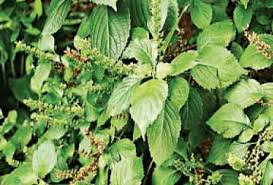
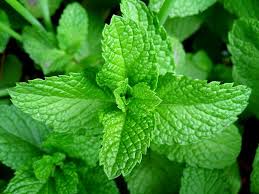
Scent leaf (Ocimmum gratissimum) is such an extremely blessed leave with so many healing powers but mostly recognised as home-grown shrub used mainly as spices for cooking delicacies for the sake of its unique and peculiar aromatic taste but scent leaf is definitely more than just a spicy for only cooking delicacies as it also possesses so many healing and medicinal powers.
Most of us are not aware of the immense benefits of Ocimum gratissimum popularly known as scent leaf, efirin (Yoruba), nchanwu leaf (Igbo) and daidoya (hausa). Efirin, daidoya, nchanwu or scent leaf, whose botanical name is Ocimum gratissimum, is a tropical plant species that belongs to the family of Labiatae.
It is usually a home-grown shrub used mainly as spices for cooking delicacies due to its unique aromatic taste. Scent leaves are high in calcium, phosphorus, iron, potassium, carbon and vitamin A. The scent leave has been reported to be rich in plants chemicals. Oil from the leaves has been shown to possess antiseptic, antibacterial, and antifungal activities.
Scent leaves are very high in Calcium, Iron, Phosphorus, carbon and Vitamin A. This leaves has be confirmed to be rich in plant chemicals, the oil from this leaves has been shown to possess antibacterial, and antifungal activities.
From recent findings, scent leaf has proved to be useful in the medication for people living with Human Immunodeficiency Virus (HIV), and Acquired Immune Deficiency Syndrome virus AIDS.
In Congo, scent leaf decoction is used for diarrhoea, gonorrhoea infection, and vaginal douches for vaginitis and used in treatment of mental illness.
🌿 Go Organic on Your Farm: Instead of harmful chemical pesticides and fertilisers, try our organic farming products — including neem oil spray, bio-pesticides, natural plant treatments, organic seeds and seedlings, suckers, and many more organic products that are safe for your health, your family, your soil and your harvest. Shop Now →
Extracts of scent leaves has also been reported to have lowered blood pressure, strong insect repellent effects and kill many micro-organisms that cause diseases, including candida.
This plant is used by herbalists to treat a variety of maladies, from bacterial infections and diabetes to pain and liver damage.
Several studies have confirmed the efficacy of Ocimum gratissimum in treating various conditions after it is condensed into an essential oil. This is largely credited to the plant's high concentrations of a phenylpropene compound called eugenol.
Several studies have been performed that lend credence to herbalist use of this plant for treating diarrheal and other gastrointestinal infections. One joint study in 1999 by the universities of the West Indies and Nigeria found that the leaf extract provided relief from diarrhoea in lab rats and guinea pigs.
🔧 Free Farm Tool Available: Use our free Agric4Profits Farm Tools to calculate your farm profits, formulate feeds, identify pests and diseases on both your crops and animal farms, plan your planting and harvesting season, including many more farm tasks to get free expert advice and recommendations — completely free, no registration required. Access Free Tools →
Another study, published in 2002 by the Journal of Ethnopharmacology, found that the essential oil relaxed the small intestine in lab rats, furthering claims that the plant is beneficial in relieving gastrointestinal ailments.
Studies suggest that Ocimum gratissimum effectively combats several types of invasive bacteria. These range from shigella and salmonella to escherichia and proteus strains.
The oils of the plant also were effective in fighting strains of E. coli, dysentery and typhoid. Some research also confirms that clove basil is effective in treating various veterinary problems, from killing worms in goats to increasing libido in lab mice.
Read Also: 9 Ways to Enhance the Growth Rate and Maximize Profits on Broiler Production
Nutritional Value of Scent Leaf
1. Vitamin A: Scent leaf is a great source of vitamin A, which supports vision, immune function, and skin health. It aids in cell growth and repair, ensuring healthy tissues. This vitamin also acts as an antioxidant, protecting cells from damage caused by free radicals.
💬 Have a Farming Question? Join thousands of farmers across Africa on the Agric4Profits Community — ask questions, share experiences and connect with agricultural experts. It is completely free. Ask Your Question Now →
2. Vitamin C: This antioxidant vitamin boosts immunity and promotes collagen formation for healthy skin and joints. Scent leaf’s vitamin C content helps fight infections and supports wound healing, making it vital for maintaining overall health and resilience against diseases.
3. Calcium: Scent leaf contains calcium, essential for strong bones and teeth. It also supports muscle function and nerve signaling. Regular consumption can help prevent osteoporosis, particularly in older adults, by maintaining bone density and strength over time.
4. Iron: Iron in scent leaf supports red blood cell production, preventing anemia. It ensures oxygen is efficiently transported throughout the body, boosting energy levels. This is particularly beneficial for individuals with iron deficiencies or fatigue-related conditions.
5. Phosphorus: Phosphorus aids in bone health and energy metabolism. Found in scent leaf, it helps convert food into energy and supports cell repair. This mineral is crucial for maintaining healthy tissues and supporting metabolic processes in the body.
6. Potassium: Potassium in scent leaf regulates blood pressure and fluid balance. It supports heart health by maintaining proper muscle contractions and nerve function. Adequate potassium intake can reduce the risk of hypertension and cardiovascular issues.
7. Flavonoids: These phytochemicals have strong antioxidant properties, protecting cells from oxidative stress. Flavonoids in scent leaf help reduce inflammation and may lower the risk of chronic diseases like heart disease and cancer, promoting long-term health.
8. Eugenol: A key essential oil in scent leaf, eugenol offers antimicrobial and anti-inflammatory benefits. It helps fight infections and reduces pain, making it valuable for oral health and wound healing. Its presence enhances the herb’s therapeutic potential.
9. Tannins: Tannins contribute to scent leaf’s antimicrobial and astringent properties. They help protect against bacterial and fungal infections and support wound healing by tightening tissues. Tannins also aid in reducing inflammation in the digestive tract.
10. Alkaloids: These compounds in scent leaf have antimicrobial and immune-boosting effects. They help combat infections and may support metabolic health. Alkaloids contribute to the herb’s ability to fight pathogens, making it a natural remedy for various ailments.
📖 Want to Go Deeper on This Topic?
Our expert agricultural ebooks cover poultry, fish farming, different crops production, snail farming, organic farming, mushrooms, sheep, cattle, flowers, pig farming, goat farming, agribusiness, etc. in practical step-by-step detail — written by agricultural professionals for African farmers.
Health Benefits of Scent Leaf
1. Antibacterial Properties: Scent leaf’s essential oils, like eugenol and thymol, combat bacteria such as Staphylococcus aureus and E. coli. These properties help treat infections, including those resistant to antibiotics. It’s effective for skin and gastrointestinal infections, promoting overall health.
Usage: Boil 10 fresh scent leaves in 1 cup of water for 10 minutes. Strain and drink the tea twice daily to fight bacterial infections. For topical use, crush 5 leaves and apply the paste to affected skin areas.
2. Antifungal Effects: Scent leaf is effective against fungi like Candida albicans, which causes yeast infections. Its essential oils disrupt fungal growth, making it a natural remedy for skin and oral fungal issues, such as thrush or ringworm.
Usage: Prepare a decoction by boiling 15 fresh scent leaves in 2 cups of water until reduced to 1 cup. Use the cooled liquid as a rinse for fungal skin infections or drink it daily for internal fungal issues.
3. Anti-inflammatory Benefits: The flavonoids and eugenol in scent leaf reduce inflammation, similar to aspirin but gentler on the stomach. This makes it useful for conditions like arthritis or respiratory inflammation, easing pain and swelling effectively.
Usage: Steep 10 fresh scent leaves in 1 cup of hot water for 15 minutes to make tea. Drink twice daily to reduce inflammation. For joint pain, apply crushed leaves as a poultice to affected areas.
4. Digestive Aid: Scent leaf promotes digestion by stimulating bowel movements and reducing bloating. Its compounds relax the digestive tract, easing indigestion and constipation, making it ideal for those with irregular eating habits.
Usage: Chew 5 fresh scent leaves after meals or boil 10 leaves in 1 cup of water for tea. Drink the tea 30 minutes before or after meals to improve digestion and prevent bloating.
5. Oral Health Support: Scent leaf’s antibacterial properties help eliminate oral bacteria, reducing bad breath and preventing tooth decay. It’s a natural alternative to commercial mouthwashes, promoting oral hygiene and gum health.
Usage: Chew 3–4 fresh scent leaves daily or boil 10 leaves in 1 cup of water to make a mouthwash. Gargle with the cooled liquid twice daily to maintain oral hygiene and fresh breath.
6. Wound Healing: The essential oils in scent leaf, particularly eugenol, accelerate wound healing by promoting tissue repair and preventing infections. It’s widely used in traditional medicine for cuts, burns, and skin ulcers.
Usage: Crush 10 fresh scent leaves into a paste and apply it to clean wounds or burns. Cover with a bandage and reapply twice daily until healing is complete.
7. Malaria Treatment: Scent leaf, often combined with bitter leaf, is a traditional remedy for malaria in Nigeria. Its antipyretic properties help reduce fever, while its antimicrobial effects target the malaria parasite, offering relief.
Usage: Boil 15 scent leaves with 10 bitter leaves in 3 cups of water until reduced to 1 cup. Drink ½ cup twice daily for 5 days to alleviate malaria symptoms.
8. Respiratory Health: Scent leaf helps relieve coughs, colds, and sore throats by expelling mucus and soothing irritation. Its essential oils act as expectorants, making it effective for respiratory infections and allergies.
Usage: Steam 20 fresh scent leaves in 2 liters of hot water. Inhale the vapor for 10–15 minutes twice daily to clear respiratory passages. Alternatively, drink scent leaf tea daily.
9. Blood Pressure Regulation: Scent leaf’s potassium and eugenol content helps lower blood pressure by relaxing blood vessels. This makes it beneficial for hypertensive individuals seeking natural remedies to manage their condition.
Usage: Boil 10 fresh scent leaves in 1 cup of water for 10 minutes. Drink the tea once daily to support blood pressure regulation. Consult a doctor if on medication.
10. Antioxidant Protection: Scent leaf’s flavonoids and phenols neutralize free radicals, reducing oxidative stress linked to cancer, heart disease, and aging. Regular consumption strengthens the body’s defense against chronic diseases.
Usage: Add 5–7 fresh scent leaves to soups or salads daily. Alternatively, drink a tea made from 10 leaves steeped in 1 cup of hot water to boost antioxidant intake.
11. Hair Growth Promotion: Studies show scent leaf’s essential oils stimulate hair follicles, promoting growth and preventing hair loss, especially after chemotherapy. It’s a natural remedy for thinning hair and scalp health.
Usage: Massage a paste of 15 crushed scent leaves mixed with 2 tablespoons of coconut oil into the scalp. Leave for 30 minutes before rinsing, twice weekly.
12. Insect Repellent: Scent leaf’s essential oils, like eugenol, repel mosquitoes and other insects. Growing it as a potted plant or using its oil can protect against bites and insect-borne diseases.
Usage: Rub crushed scent leaves on exposed skin or place potted scent leaf plants around living areas. Alternatively, burn dried leaves to release repellent vapors.
13. Antidiabetic Effects: Scent leaf helps regulate blood sugar by improving insulin sensitivity, making it useful for managing diabetes. Its antioxidants also protect against diabetes-related complications like nerve damage.
Usage: Drink tea made from 10 fresh scent leaves boiled in 1 cup of water twice daily. Monitor blood sugar levels and consult a healthcare provider.
14. Liver Protection: Scent leaf’s antioxidants, like flavonoids, protect the liver from damage caused by toxins or medications. It supports liver function, aiding detoxification and overall metabolic health.
Usage: Boil 12 fresh scent leaves in 1.5 cups of water until reduced to 1 cup. Drink ½ cup daily for liver support, ideally in the morning.
15. Menstrual Pain Relief: Scent leaf’s anti-inflammatory properties help alleviate menstrual cramps and discomfort. Its relaxant effects soothe uterine muscles, providing natural relief for women during menstruation.
Usage: Steep 10 fresh scent leaves in 1 cup of hot water for 15 minutes. Drink the tea twice daily during menstruation to reduce cramps and pain.
Read Also: Complete List of High Protein Foods you Should Know About
Scientific Evidence and Case Studies on Scent Leaf
1. Antibacterial Activity: A study by Chimnoi et al. (2018) demonstrated that scent leaf’s essential oil effectively combats gastroenteritis pathogens like Staphylococcus aureus and Salmonella enteritidis. Its eugenol content disrupts bacterial cell walls, making it a potent natural antibiotic.
2. Antifungal Properties: Silva et al. (2005) found that scent leaf’s essential oil inhibits dermatophytes like Candida albicans and Microsporum gyseum. The study confirmed its efficacy in treating fungal skin infections, supporting its traditional use.
3. Anti-inflammatory Effects: Ajayi et al. (2017) showed that scent leaf’s flavonoid-rich extract suppresses inflammation in mice by inhibiting inflammatory markers like interleukins. This supports its use for arthritis and respiratory inflammation, offering a gentler alternative to synthetic drugs.
4. Hair Growth Promotion: Orafidiya et al. (2004) investigated scent leaf’s essential oil and found it promotes hair growth in rats with cyclophosphamide-induced hair loss. The oil stimulated follicular proliferation, validating its use for hair regrowth post-chemotherapy.
5. Hepatoprotective Effects: Chiu et al. (2014) demonstrated that scent leaf extract prevents liver fibrosis in rats by reducing oxidative stress and enhancing antioxidant enzyme activity. This supports its traditional use for liver health and detoxification.
Frequently Asked Questions About Scent Leaf
1. What is scent leaf, and where is it commonly found?
Scent leaf (Ocimum gratissimum) is an aromatic herb native to tropical Africa and Asia. It’s commonly found in Nigeria, Ghana, Cameroon, and India, used in cooking and traditional medicine for its health benefits.
2. Can scent leaf be consumed daily?
Yes, scent leaf is safe for daily consumption in moderation, such as in teas or as a spice. Consult a healthcare provider if you have medical conditions or are pregnant.
3. How do you prepare scent leaf for medicinal use?
Boil 10–15 fresh leaves in 1–2 cups of water for 10–15 minutes to make tea. For topical use, crush leaves into a paste. Always use fresh or properly dried leaves.
4. Does scent leaf help with weight loss?
Scent leaf may aid weight management by improving digestion and metabolism. Drinking scent leaf tea daily can support a healthy diet, but it’s not a standalone weight loss solution.
5. Are there side effects of using scent leaf?
Scent leaf is generally safe, but excessive use may cause stomach irritation or low blood pressure. Pregnant women and those on medication should consult a doctor before use.
6. Can scent leaf be used for skin care?
Yes, its antibacterial and antifungal properties make it effective for treating acne and fungal infections. Apply crushed leaf paste to affected areas or use as a rinse.
7. Is scent leaf safe for children?
In small culinary amounts, scent leaf is safe for children. For medicinal use, consult a pediatrician to ensure appropriate dosages and avoid potential allergic reactions.
8. Can scent leaf replace antibiotics?
While scent leaf has antibacterial properties, it should not replace prescribed antibiotics. It can complement treatment, but consult a healthcare provider for serious infections.
Do you have any questions, suggestions, or contributions? If so, please feel free to use the comment box below to share your thoughts. We also encourage you to kindly share this information with others who might benefit from it. Since we can’t reach everyone at once, we truly appreciate your help in spreading the word. Thank you very much for your support and for sharing!
Disclaimer: This article is for educational and informational purposes only. The health benefits described are based on scientific research and traditional knowledge. They are not a substitute for professional medical advice, diagnosis, or treatment. Always consult a healthcare professional before using any herb or natural remedy for medical purposes.
Read Also: Health Benefits of taking Watermelon during Early Pregnancy


.png)
