
 2 months ago
137
2 months ago
137

.jpeg)
.png)
Gleditsia sinensis, commonly known as Chinese honey locust or Chinese soapberry, is a deciduous tree native to China and other parts of East Asia. It belongs to the Fabaceae family, which is also known as the legume or pea family.
This tree has been utilized for various purposes, including medicinal, ornamental, and industrial, due to its unique characteristics and properties
While Gleditsia sinensis seeds offer potential health benefits it’s advisable to consult a qualified healthcare professional before using Gleditsia sinensis for medicinal purposes, especially if you have underlying health conditions or are taking other medications.
The Botanical Description of Chinese Honey Locust
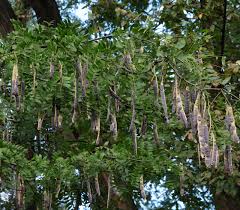
1. Life: The Chinese Honey Locust is a deciduous tree known for its medium to large size, reaching heights between 40 to 70 feet. Its life cycle involves the shedding of leaves in the autumn, making it a deciduous species.
2. Leaves and Foliage: The compound leaves of the Chinese Honey Locust are pinnately compound, featuring clusters of small leaflets arranged along a central stalk. These leaflets are bright green and turn a stunning yellow hue in the fall.
3. Bark and Trunk: The bark of the Chinese Honey Locust is rough and deeply furrowed, providing a protective layer for the inner cambium. The trunk is typically straight and sturdy, contributing to the tree’s overall stability.
4. Flowers and Reproduction: The tree produces inconspicuous flowers that are typically greenish-yellow in color. Its reproductive structures give rise to long, flat seed pods, which are a distinctive feature of the Chinese Honey Locust.
The Geographic Distribution of Chinese Honey Locust
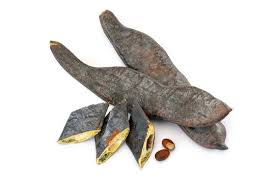
1. Natural Range: The Chinese Honey Locust is native to eastern Asia, specifically China. It has, however, been introduced to various parts of the world due to its ornamental and shade-providing qualities.
2. Climate Preferences: This tree thrives in temperate climates, adapting well to regions with well-defined seasons. It can withstand a range of temperatures but prefers areas with moderate rainfall.
3. Soil Adaptability: Chinese Honey Locusts are known for their adaptability to different soil types, including loamy, sandy, and clayey soils. They can tolerate both acidic and alkaline conditions, adding to their versatility.
4. Human Introduction: Beyond its native range, the Chinese Honey Locust has been introduced to North America, Europe, and other continents. It is often cultivated for its aesthetic appeal and as a shade tree in urban landscapes.
The Chemical Composition of Chinese Honey Locust
1. Flavonoids and Phenolic Compounds: Chinese Honey Locusts contain various flavonoids and phenolic compounds, contributing to their antioxidant properties. These compounds play a role in the tree’s defense mechanisms and may have potential health benefits.
2. Tannins: Tannins are present in the bark and leaves of the Chinese Honey Locust. These compounds have astringent properties and may play a role in protecting the tree from herbivores and pathogens.
3. Alkaloids: Some members of the genus Gleditsia, to which the Chinese Honey Locust belongs, are known to contain alkaloids. Research on the specific alkaloid content of this tree is ongoing, with potential implications for pharmaceutical applications.
4. Sap and Resins: Chinese Honey Locusts produce a sap that may have applications in traditional medicine or as a source of natural resins. The sap has been historically used for various purposes, and ongoing studies explore its chemical composition.
Nutritional Value of Chinese Honey Locust
1. Flavonoids: These are potent antioxidants found in the seeds and bark, which help neutralize free radicals, potentially reducing oxidative stress and supporting overall health.
2. Phenolic Compounds: Phenolic compounds in the seeds contribute to anti-inflammatory and antioxidant effects, which may protect against chronic diseases like heart disease and cancer.
3. Tannins: Present in the bark and leaves, tannins have astringent properties that may aid in digestion and protect against microbial infections.
4. Alkaloids: Though research is ongoing, alkaloids in Gleditsia sinensis may have bioactive properties, potentially supporting pain relief and other therapeutic effects.
5. Saponins: Found in the seeds, saponins may support immune function and have potential cholesterol-lowering effects due to their ability to bind with bile acids.
6. Proteins: The seeds contain small amounts of proteins, which are essential for tissue repair and overall metabolic functions.
7. Carbohydrates: Seeds provide carbohydrates, offering a source of energy and supporting digestive health when consumed in moderation.
8. Fiber: The seed pods and seeds contain dietary fiber, which can aid digestion, promote gut health, and help regulate blood sugar levels.
9. Minerals: Trace amounts of minerals like potassium, magnesium, and calcium in the seeds contribute to cardiovascular health, muscle function, and bone health.
10. Fatty Acids: The seeds contain small amounts of essential fatty acids, which may support skin health and reduce inflammation when used in oils or extracts.
Read Also: 7 Medicinal Health Benefits of Bitter Melon (Momordica Charantia)
The Medicinal Health Benefits of Chinese Honey Locust (Gleditsia sinensis)
1. Antioxidant Effects: Gleditsia sinensis contains compounds like flavonoids and phenolic compounds that have antioxidant properties. Antioxidants help combat oxidative stress by neutralizing harmful free radicals in the body. This can potentially contribute to overall health and disease prevention.
Regular consumption of Gleditsia sinensis seed extract might help reduce the risk of chronic diseases linked to oxidative stress, such as cardiovascular diseases and certain types of cancers.
2. Anti-Inflammatory Properties: Compounds present in Gleditsia sinensis seeds have been shown to have anti-inflammatory effects. These properties may help alleviate inflammation-related conditions, such as joint pain and skin inflammation.
Applying Gleditsia sinensis seed oil topically could potentially provide relief from skin conditions like eczema or psoriasis due to its anti-inflammatory action.
3. Cardiovascular Support: Certain compounds in Gleditsia sinensis, such as flavonoids, have the potential to improve cardiovascular health. They may help relax blood vessels, improve blood flow, and regulate blood pressure.
Including Gleditsia sinensis seed powder in your diet could contribute to maintaining healthy blood pressure levels, reducing the risk of hypertension and related heart problems.
4. Respiratory Health: Traditional Chinese medicine uses Gleditsia sinensis for respiratory conditions like coughs and asthma. The seeds’ potential anti-inflammatory and bronchodilatory effects might help alleviate symptoms of respiratory disorders.
Consuming Gleditsia sinensis seed tea or extract might provide relief from persistent coughs and improve breathing in individuals with mild asthma.
5. Digestive Aid: Gleditsia sinensis has been used traditionally to support digestive health. Compounds in the seeds might help improve digestion and alleviate digestive discomfort.
Drinking a Gleditsia sinensis seed infusion after meals could aid digestion, reducing symptoms like bloating and indigestion.
6. Pain Relief: Traditional use suggests that Gleditsia sinensis seeds might have pain-relieving properties. This could potentially be attributed to its anti-inflammatory effects.
Applying Gleditsia sinensis seed oil topically might help alleviate localized pain, such as sore muscles or joint pain.
7. Diuretic Effects: Some traditional uses of Gleditsia sinensis involve its diuretic properties, which could help increase urine production and promote kidney health.
Consuming Gleditsia sinensis seed decoction might assist in flushing out toxins from the body and maintaining proper kidney function.
The Methods of Usage to Achieve the Provided Medicinal Health Benefits of Chinese Honey Locust (Gleditsia sinensis)
1. Antioxidant Effects: Crush Gleditsia sinensis seeds into smaller pieces. Add around 1 teaspoon of crushed seeds to a cup of boiling water. Let it steep for 10-15 minutes, then strain and drink.
This method allows you to extract antioxidants from the seeds into the hot water, creating a soothing and potentially beneficial beverage.
2. Anti-Inflammatory Properties: Mix a small amount (e.g., 1/4 to 1/2 teaspoon) of powdered Gleditsia sinensis seeds into foods like smoothies, yogurt, or soups.
Incorporating the powdered seeds into your diet can potentially provide a consistent intake of compounds with anti-inflammatory properties.
3. Cardiovascular Support: Mix a small amount (e.g., 1/4 to 1/2 teaspoon) of powdered Gleditsia sinensis seeds into foods like smoothies, yogurt, or cereals.
Adding the powdered seeds to your meals can provide a convenient way to integrate Gleditsia sinensis into your diet.
4. Respiratory Health: Crush Gleditsia sinensis seeds and steep around 1 teaspoon of the crushed seeds in a cup of boiling water for 10-15 minutes. Strain and drink the infusion.
The hot herbal tea can potentially provide soothing effects for the respiratory tract.
5. Digestive Aid: Crush Gleditsia sinensis seeds and steep around 1 teaspoon of the crushed seeds in a cup of boiling water for 10-15 minutes. Strain and drink the infusion.
The herbal tea infusion can be consumed before or after meals to potentially support digestion.
6. Pain Relief: Crush Gleditsia sinensis seeds to create smaller pieces. Mix the crushed seeds with a carrier oil (such as coconut oil) in a clean glass jar. The ratio can be about 1 part crushed seeds to 4 parts carrier oil.
Seal the jar tightly and place it in a warm and sunny spot. Allow the mixture to infuse for several weeks, shaking the jar gently daily, Strain the oil and apply the oil.
7. Diuretic Effects: Crush Gleditsia sinensis seeds to create smaller pieces. Add a tablespoon of crushed Gleditsia sinensis seeds to a pot. Add 2 cups of water to the pot and bring it to a boil. Reduce the heat to low and let the mixture simmer for about 20–30 minutes. After simmering, strain the liquid to remove the crushed seeds. Drink the decoction as a tea-like beverage.
With regards to the dosage and frequency, always start with a small amount, such as half a cup, and monitor your body’s response. You can consume the decoction once a day, and adjust the dosage or frequency as needed.
Scientific Evidence and Case Studies on Chinese Honey Locust
1. Antioxidant and Anti-Inflammatory Effects: A study by Li et al. (2012) investigated the phenolic compounds and flavonoids in Gleditsia sinensis seeds. The research demonstrated significant antioxidant activity, with the compounds effectively scavenging free radicals in vitro. The study also noted anti-inflammatory effects, suggesting potential applications for reducing inflammation-related conditions like arthritis.
2. Antimicrobial Properties: Zhou et al. (2007) explored the antimicrobial effects of Gleditsia sinensis seed extracts against various bacterial strains, including Staphylococcus aureus. The study found that saponins and other bioactive compounds exhibited strong antibacterial activity, supporting the traditional use of the plant for treating infections.
3. Cardiovascular Benefits: A 2015 study by Zhang et al. (2015) examined the effects of Gleditsia sinensis flavonoids on cardiovascular health in animal models. The results showed improved blood vessel relaxation and reduced blood pressure, indicating potential benefits for hypertension management.
4. Respiratory Health Support: Research by Kim et al. (2019) analyzed the bronchodilatory effects of Gleditsia sinensis seed extracts in asthma-induced animal models. The study found that the extracts reduced airway inflammation and improved breathing, supporting its traditional use for respiratory conditions.
The Side Effects of Using Chinese Honey Locust Medicinal Plant

1. Allergic Reactions: As with any herbal product, there is a possibility of allergic reactions, including skin irritation, rash, itching, or swelling. If you experience any allergic symptoms, discontinue use and seek medical attention.
2. Digestive Distress: In some cases, Gleditsia sinensis might cause gastrointestinal discomfort, including nausea, vomiting, or an upset stomach. This could be due to individual sensitivities.
3. Interaction with Medications: Gleditsia sinensis might interact with certain medications, potentially affecting their efficacy or safety. Consult your healthcare provider before using Gleditsia sinensis if you are taking any medications.
4. Pregnancy and Breastfeeding: The safety of Gleditsia sinensis during pregnancy and breastfeeding has not been established. Pregnant and breastfeeding individuals should avoid using Gleditsia sinensis due to potential risks to the developing fetus or infant.
5. Kidney Health: Because Gleditsia sinensis is traditionally believed to have diuretic effects, individuals with kidney disorders should exercise caution when using it, as excessive diuresis could potentially strain the kidneys.
6. Individual Variability: The effects of Gleditsia sinensis can vary widely from person to person. Some individuals may experience positive effects, while others might not notice any benefits or could experience adverse reactions.
7. Quality and Source: The quality and purity of the Gleditsia sinensis product you choose can affect its safety and efficacy. It’s important to obtain Gleditsia sinensis from reputable sources to minimize the risk of contaminants or adulterants.
8. Dosage and Duration: The appropriate dosage and duration of use for Gleditsia sinensis have not been established. Using excessive amounts or using it for extended periods could increase the risk of adverse effects.
Children and the Elderly: Special caution should be exercised when considering the use of Gleditsia sinensis in children or the elderly, as their bodies may react differently to herbal remedies.
Read Also: 10 Medicinal Health Benefits of Acacia Senso Lato
The Safety Precautions and Recommendations In Using Chinese Honey Locust Medicinal Plant
1. Consultation with Healthcare Professionals: Before using Chinese Honey Locust for medicinal purposes, it is crucial to consult with healthcare professionals. They can provide personalized advice, taking into account individual health conditions and potential interactions with medications.
2. Dosage Considerations: Adhering to recommended dosage guidelines is essential when using Chinese Honey Locust. Excessive consumption may lead to adverse effects, emphasizing the importance of moderation.
3. Allergic Reactions: Individuals with known allergies should exercise caution when considering Chinese Honey Locust for medicinal use. Allergic reactions may occur, and it is advisable to perform a patch test before widespread application.
4. Potential Side Effects: Some individuals may experience side effects such as digestive discomfort or skin irritation. Monitoring for these effects and discontinuing use if they occur is a prudent safety measure.
FAQs About Chinese Honey Locust Medicinal Plant
1. Can Chinese Honey Locust be Consumed Internally?
Chinese Honey Locust is primarily used for medicinal purposes externally. While some traditional practices involve internal consumption, it is crucial to consult with a healthcare professional due to the potential toxicity of certain compounds.
2. Is Chinese Honey Locust Safe for Pregnant Women?
Pregnant women should exercise caution when considering Chinese Honey Locust for medicinal use. Limited research exists on its safety during pregnancy, and professional medical advice is recommended.
3. Are There Any Known Drug Interactions?
Chinese Honey Locust may interact with certain medications. It is advisable to inform healthcare providers about its use to prevent potential interactions with prescribed drugs.
4. How Should Chinese Honey Locust Extracts be Stored?
To maintain potency and safety, store Chinese Honey Locust extracts in a cool, dry place away from direct sunlight. Following proper storage guidelines ensures the longevity of the product.
Do you have any questions, suggestions, or contributions? If so, please feel free to use the comment box below to share your thoughts. We also encourage you to kindly share this information with others who might benefit from it. Since we can’t reach everyone at once, we truly appreciate your help in spreading the word. Thank you very much for your support and for sharing!
Disclaimer: This article is for educational and informational purposes only. The health benefits described are based on scientific research and traditional knowledge. They are not a substitute for professional medical advice, diagnosis, or treatment. Always consult a healthcare professional before using any herb or natural remedy for medical purposes.
Read Also: Everything You Need to Know About Wastewater Treatment Equipment


.png)
