

.jpeg)
.png)
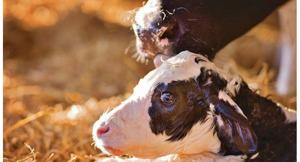
Cattle, commonly referred to as cows, are large domesticated herbivorous mammals belonging to the species Bos taurus. They are among the most important livestock animals in the world, playing a central role in agriculture, food production, and human society for thousands of years.
Cattle are primarily raised for their meat (beef), milk (dairy products), and hides (leather). In many parts of the world, especially in developing regions, they are also used for labor, such as plowing fields and transporting goods. Their ability to convert grass and other vegetation into valuable products makes them highly efficient contributors to food systems.
There are two main types of cattle: dairy cattle and beef cattle. Dairy breeds, such as Holstein and Jersey, are specifically bred for high milk production, while beef breeds like Angus and Hereford are raised for meat. Each breed has unique characteristics suited to its purpose, including differences in size, growth rate, and adaptability to climate.
Cattle are ruminants, meaning they have a specialized digestive system with four compartments: the rumen, reticulum, omasum, and abomasum. This system allows them to break down tough plant materials like grass through fermentation. They regurgitate partially digested food, known as cud, and chew it again to aid digestion. This process is essential for extracting nutrients from fibrous plants.
Social animals by nature, cattle live in herds and establish hierarchies within their groups. They communicate through vocalizations, body language, and even facial expressions. Proper handling and care are important, as stress can affect their health and productivity.
Cattle farming has significant economic importance worldwide. It supports millions of farmers and contributes to global food security. However, it also raises environmental concerns, including greenhouse gas emissions (especially methane), land use, and water consumption. Sustainable farming practices are increasingly being adopted to reduce these impacts.
In addition to their economic value, cattle hold cultural and religious significance in various societies. For example, in some cultures, cows are considered sacred and are treated with great respect.
Overall, cattle are a vital part of human civilization, providing essential resources while also presenting challenges that require careful management and sustainable practices.





.png)
