

.jpeg)
.png)
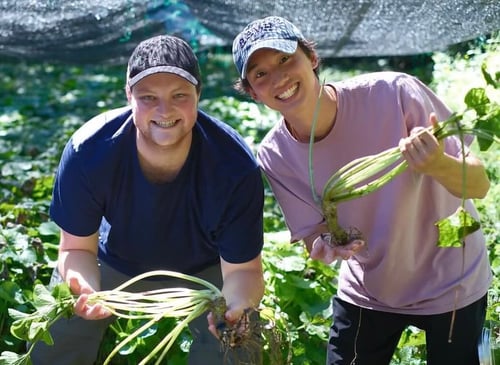
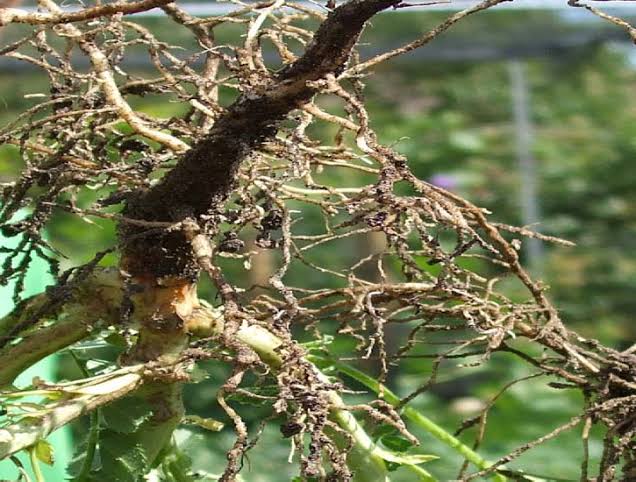
In a world obsessed with authenticity, wasabi is a poster child for what we think we're getting versus what's actually on our plates. The pungent green paste served alongside sushi? In 99% of cases in the U.S., it's a fraud — a mix of horseradish, mustard, and food dye. Authentic wasabi, or Wasabia japonica, is elusive, expensive, and notoriously difficult to grow. But a shift is underway that could turn this culinary unicorn into a reliable, scalable crop — thanks to indoor farming. Wasabi is native to Japan’s cool, misty mountain streams. Its growth depends on a very narrow band of environmental conditions — stable temperatures, pristine water, and partial shade. Combine that with a farming population that’s aging out and climate change that’s heating up, and it’s no surprise production has plummeted by 70% in the last two decades. At the same time, demand is booming. Japanese cuisine has exploded across the U.S., with a 37% increase in Japanese restaurants since pre-COVID. Chefs from Nobu to omakase counters across New York report frequent shortages of real wasabi. In short, the market is starving for authenticity — and willing to pay for it. Enter Cai Foods Company, a startup converting defunct cannabis grows into state-of-the-art wasabi farms. Their model is as simple as it is bold: leverage the overbuilt indoor cannabis infrastructure, optimize for wasabi’s needs, and scale. This isn’t a pipe dream — their proprietary system mimics the perfect conditions of a Japanese wasabi farm using hydroponics, AI-driven forecasting, LED lighting, and precision irrigation. In doing so, they've cut the traditional 18-month grow cycle by over four months. That kind of efficiency could turn a boutique luxury into a consistent supply chain component for high-end restaurants and even consumer goods like powders, pastes, and supplements. Here is a basic overview of growing Wasabi indoors. The economics are compelling. Authentic wasabi can sell for $120–$160 per pound, with gross margins as high as 74%. Cai Foods Company estimates an initial obtainable market of $200 million within top-tier restaurants alone, and a total addressable market multiples larger than that. Better yet, this isn’t just a rhizome (most valuable part of wasabi) story. Wasabi leaves and stems also have culinary and nutritional uses — think garnishes, teas, and functional food additives. Health-conscious consumers are drawn to its detoxifying, anti-inflammatory, and even memory-enhancing properties. But let’s not pretend this is easy. Wasabi remains one of the most technically challenging crops to grow, even indoors. Its shallow root system makes it sensitive to water quality and airflow. It’s also slow-growing, labor-intensive, and prone to disease if environmental variables swing too far in any direction. Moreover, indoor farming is still reeling from a capital crunch and the disillusionment of vertical ag's early promises. Cai Foods is betting on timing: distressed assets in places like Massachusetts and Pennsylvania are ripe for conversion, but the path to profitability will require more than just good tech — it’ll demand precise execution, savvy partnerships, and robust demand forecasting. These are some of the other players getting in on the action: Cai Foods isn’t just selling a premium product — they’re selling a supply chain revolution. In many ways, wasabi is the perfect crop for a new era of indoor farming: high value, low volume, underserved, and impractical to import at scale. If they succeed, they won’t just solve the wasabi crisis — they’ll prove that controlled environment agriculture has legs far beyond leafy greens. Real wasabi could become a symbol not of exclusivity, but of what’s possible when nature’s quirks meet human ingenuity. As the vertical farming sector refines its focus, wasabi might just be the spicy, green shot in the arm it needs. Sometimes I feature startups and companies that interest me and I want to encourage. Cai Foods is one of those companies. They are based in the USA and fundraising, so contact them to learn more: shun@caifoods.co / Shunsuke (Shun) Sano The Wasabi Crisis: A Climate and Supply Chain Breakdown
A Controlled Environment Breakthrough
The Business Case: High Margins and Untapped Markets
The Roadblocks: Why This Isn’t Just Green Gold
Other Startups Attempting Wasabi:
Wasabi Factory (South Korea)
ATOM FARM Wasabi Systems (via Earth Embassy, Japan/International)
Final Thoughts: A Wasabi Revolution?





.png)
