
 8 months ago
111
8 months ago
111

.jpeg)
.png)
Okra, also known as “lady’s finger,” is a green vegetable that is popular in many parts of the world. It is often used in soups, stews, and curries, and it can be cooked in a variety of ways. Okra can be consumed fresh or dried.
Fresh okra is readily available in many grocery stores and markets. When purchasing fresh okra, look for pods that are firm, bright green, and free from blemishes or bruises. The pods should also snap easily when bent. To prepare fresh okra, wash it thoroughly and trim off the stem end. It can then be sliced or left whole, depending on the recipe.
Dried okra is less common but is sometimes used in soups and stews. To use dried okra, it must be rehydrated by soaking it in water for several hours before cooking.
Both fresh and dried okra are nutritious and rich in vitamins and minerals. Okra is a good source of fiber, vitamin C, and folate. It is also low in calories and carbohydrates, making it a healthy addition to a balanced diet.
Read Also: Health Benefits and Uses of WaterLeaves
Description of Okra (Fresh or Dry Okro)
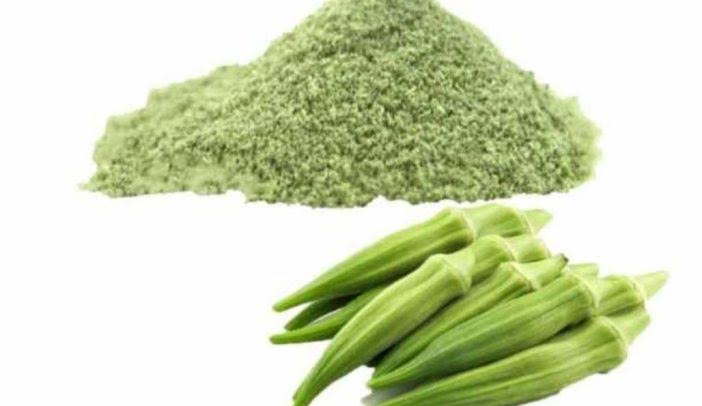
Fresh okra is a vegetable that has a long, slender shape with ridges running down its length. It typically ranges in color from light to dark green, with a slightly fuzzy outer skin. Inside the pod, there are small, white seeds surrounded by a slimy substance that can be used as a natural thickener in stews and soups.
Dry okra, also known as dried okra or okra pods, is made by drying the fresh okra pods in the sun or in a dehydrator. The dried pods are brown in color and have a slightly shriveled appearance. They can be stored for an extended period of time and are commonly used in African and Middle Eastern cuisines to make soups, stews, and sauces.
Both fresh and dry okra have a mild flavor that is often described as slightly sweet and nutty. They can be cooked in a variety of ways, including sautéing, frying, grilling, and roasting. When cooked, fresh okra has a tender yet slightly firm texture, while dry okra tends to be chewy and slightly tougher.
Health Benefits of Okra (Fresh or Dry Okro)

Below are some basic health benefits of both fresh and dry Okro:
- Good source of dietary fiber: Okra is a good source of dietary fiber, which can help regulate digestion and promote healthy bowel movements.
2. Helps manage blood sugar levels: Okra contains compounds that can help lower blood sugar levels and improve insulin sensitivity, making it a beneficial food for people with diabetes.
3. Rich in antioxidants: Okra is rich in antioxidants, which can help protect the body against cellular damage and reduce the risk of chronic diseases.
4. Supports healthy digestion: The fiber and mucilage in okra can help promote healthy digestion and relieve constipation.
5. Low in calories: Okra is low in calories, making it a good choice for people who are watching their weight.
6. Boosts immune system: The vitamin C in okra can help boost the immune system and protect against infections.
7. Helps maintain healthy skin: The antioxidants in okra can help protect the skin from damage and support healthy skin function.
8. Rich in vitamins and minerals: Okra is rich in vitamins and minerals, including vitamin C, vitamin K, folate, and potassium.
9. Reduces inflammation: Okra contains anti-inflammatory compounds that can help reduce inflammation in the body.
10. Supports healthy vision: The vitamin A in okra can help support healthy vision and reduce the risk of eye diseases.
11. Lowers cholesterol levels: Okra can help lower cholesterol levels and reduce the risk of heart disease.
12. Supports bone health: The vitamin K in okra can help support healthy bone development and reduce the risk of osteoporosis.
13. Anti-cancer properties: Some studies suggest that okra may have anti-cancer properties, although more research is needed.
14. Supports liver health: Okra contains compounds that can help support liver health and protect against liver damage.
15. Regulates blood pressure: Okra can help regulate blood pressure levels and reduce the risk of hypertension.
16. Improves brain function: Some research suggests that the nutrients in okra may help improve brain function and protect against cognitive decline.
Uses of Okra (Fresh or Dry Okro)

Okra, also known as “lady’s fingers,” is a green vegetable that is commonly used in various cuisines around the world. Here are some of the uses of fresh or dry okra:
- Culinary uses: Fresh okra can be eaten raw or cooked. It is often used in stews, soups, and curries. It can also be fried, grilled, roasted, or pickled. Dry okra is commonly used in making soups, stews, and sauces.
2. Nutritional benefits: Okra is a good source of dietary fiber, vitamins A, C, and K, and minerals like calcium, potassium, and magnesium. It is also low in calories and has no cholesterol.
3. Medicinal uses: Okra has been used in traditional medicine to treat various ailments such as diabetes, respiratory problems, and digestive issues. Research has shown that okra may have anti-inflammatory and antioxidant properties.
4.Textile industry: Okra fibers can be used to make textiles, paper, and cordage.
5. Agricultural uses: Okra plants are commonly used as a cover crop in agricultural practices, as they can improve soil health and reduce erosion.
6. Cosmetic uses: Okra extract can be used in cosmetic products due to its moisturizing and soothing properties.
However, okra is a versatile vegetable with various uses and health benefits.
Read Also: Health Benefits and Uses of Fresh Tomatoes
Nutritional Value of Okra (Fresh or Dry Okro)
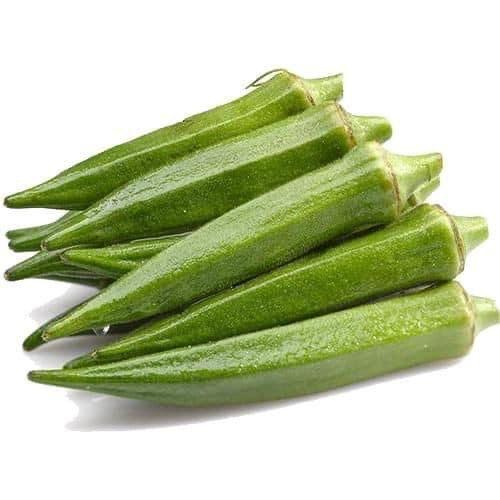
Okra is a highly nutritious vegetable that provides many essential vitamins, minerals, and nutrients to the body.
Here is the nutritional value of fresh or dry okra:
- Vitamins: Okra is an excellent source of vitamin C, vitamin K, and vitamin A. A 100-gram serving of fresh okra provides about 23% of the daily recommended intake of vitamin C, 31% of vitamin K, and 14% of vitamin A.
2. Minerals: Okra is also rich in minerals such as calcium, iron, magnesium, and potassium. A 100-gram serving of fresh okra provides about 6% of the daily recommended intake of calcium, 8% of iron, 7% of magnesium, and 8% of potassium.
3. Fiber: Okra is a good source of dietary fiber, which helps promote digestion, regulate blood sugar levels, and maintain healthy cholesterol levels.
4. Protein: Okra is a decent source of protein, providing about 2 grams of protein per 100-gram serving.
5. Antioxidants: Okra is rich in antioxidants such as flavonoids and polyphenols, which help protect the body against free radicals that can cause cellular damage and disease.
6. Low in calories: Okra is low in calories and can be an excellent addition to a healthy, balanced diet.
In summary, fresh or dry okra is a nutritious vegetable that can provide many essential vitamins, minerals, and nutrients to the body. It is an excellent addition to a healthy, balanced diet.
Read Also: 4 Ways to Make Good Money through Cake Making
Frequently Asked Questions About Health Benefits and Uses of Okra (Fresh or Dry Okro).
- What is okra, and what are its nutritional benefits?
Okra, also known as lady’s finger, is a green, pod-like vegetable rich in fiber, vitamins C and K, folate, magnesium, and antioxidants. - What are the main health benefits of eating okra?
Okra supports heart health, improves digestion, helps regulate blood sugar, boosts the immune system, and may aid in weight management. - Is there a difference in nutritional value between fresh and dry okra?
Yes. While fresh okra retains more vitamin C and water-soluble nutrients, dry okra is more concentrated in fiber and can be stored longer without spoiling. - Can okra help control blood sugar levels?
Yes. Okra contains soluble fiber and compounds that may slow sugar absorption, which helps stabilize blood glucose levels. - Is okra good for digestive health?
Definitely. The mucilage (gel-like substance) in okra aids smooth bowel movement and soothes the digestive tract, reducing constipation and bloating. - Can okra help with weight loss?
Yes, it is low in calories, rich in fiber, and keeps you fuller for longer, making it a good addition to a weight-loss diet. - Does okra support heart health?
Okra’s soluble fiber helps lower cholesterol, while its antioxidants fight oxidative stress—both of which contribute to a healthier heart. - What are the traditional or medicinal uses of dry okra?
Dry okra is often ground into powder and used in herbal medicine for managing diabetes, soothing ulcers, or improving digestion in traditional African and Asian remedies. - How can okra be used to improve skin health?
Its vitamin C and antioxidants help in collagen production and skin repair. Some also use okra water or paste as a natural remedy for acne and dull skin. - Can okra improve fertility or reproductive health?
Okra is rich in folate, which is essential for pregnancy and fetal development. It also supports hormonal balance in both men and women. - Is okra safe during pregnancy?
Yes. Its high folate and fiber content make it beneficial for pregnant women, aiding in fetal growth and preventing constipation. - How do you use okra in cooking?
Okra can be steamed, fried, grilled, stewed (like in okra soup), or soaked to make okra water. Dried okra can be used in soups, sauces, or ground as a thickener. - What is okra water, and what is it used for?
Okra water is made by soaking sliced okra in water overnight. It’s believed to help lower blood sugar, aid digestion, and improve energy levels when consumed on an empty stomach. - Can okra be used for hair care?
Yes. Okra gel can be applied to the hair to improve shine, reduce frizz, and promote scalp health due to its moisturizing properties. - Are there any side effects of eating too much okra?
While generally safe, excessive consumption may cause bloating or gas. People prone to kidney stones should also limit okra due to its oxalate content.









.png)
