
 1 year ago
279
1 year ago
279

.jpeg)
.png)
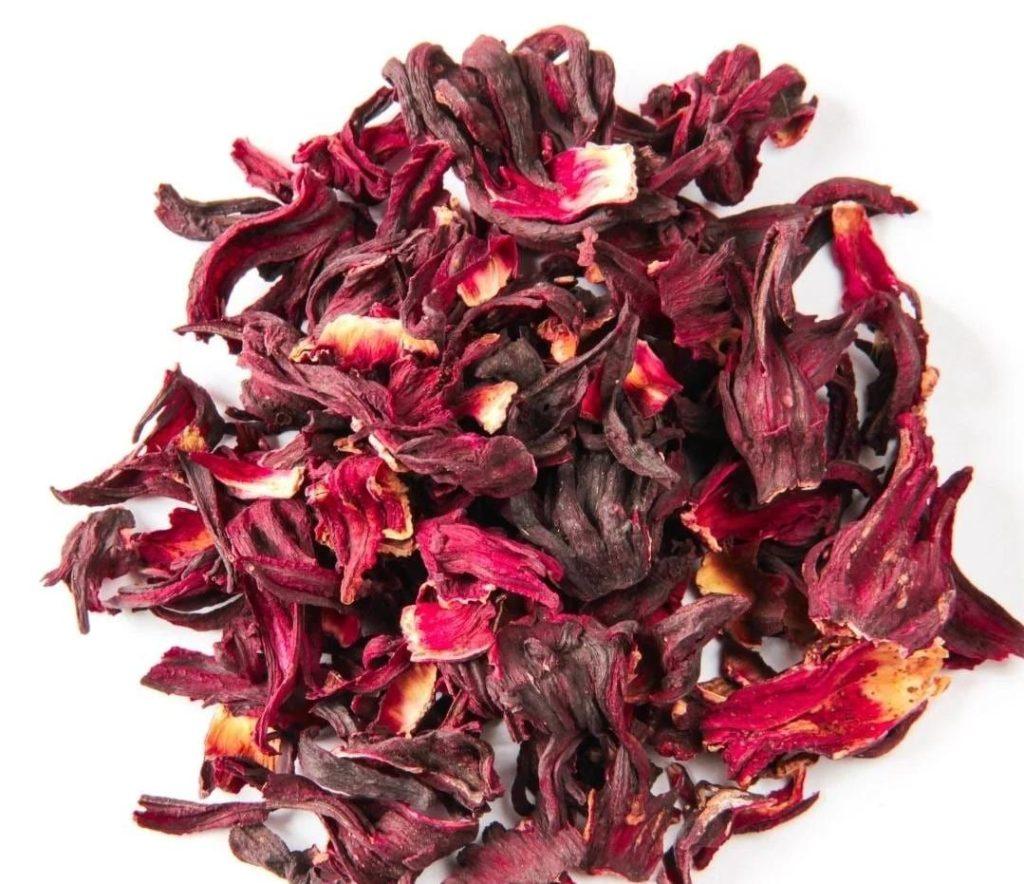
Zobo leaves, also known as hibiscus leaves, are the dried sepals of the hibiscus plant. They are commonly used to make a refreshing, tart and sweet drink that is popular in many parts of the world, particularly in West Africa, Mexico, and the Caribbean.
Zobo leaves are rich in various nutrients such as vitamin C, calcium, iron, and antioxidants. They have been shown to have a number of health benefits, including lowering blood pressure, improving digestion, and reducing inflammation.
Zobo leaves are rich in antioxidants, particularly anthocyanins, which give the leaves their deep red color. These antioxidants help to protect the body against damage from free radicals and may have anti-inflammatory properties.
To make zobo drink, the leaves are typically boiled in water, along with other ingredients such as ginger, cloves, and cinnamon, and then sweetened with sugar or honey. The resulting beverage is usually served cold and can be enjoyed on its own or mixed with other fruit juices.
The drink made from zobo leaves is known by many different names, depending on the region. In Nigeria, it is often called “zobo” or “bissap”, while in Jamaica it is known as “sorrel”. It is typically made by steeping the dried leaves in hot water, then adding sugar and sometimes spices such as ginger, cloves, or cinnamon. The resulting drink can be served hot or cold and is often enjoyed as a refreshing beverage.
Zobo leaves are also used in traditional medicine to treat a variety of ailments, including high blood pressure, liver disease, and menstrual cramps. While some of these uses have been supported by scientific research, more studies are needed to fully understand the potential health benefits of zobo leaves.
In addition, zobo leaves are a flavorful and nutritious ingredient that can be enjoyed in a variety of ways. If you haven’t tried it before, it’s definitely worth giving this unique beverage a try.
Read Also: Complete Guide on How to Care for and Hatch Snail Eggs
Description of Zobo Leaves
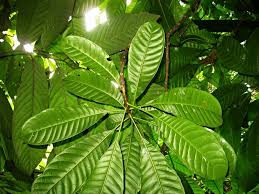
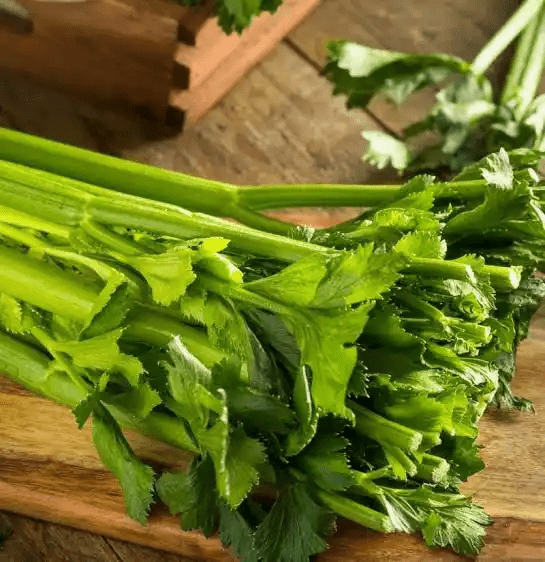
Zobo leaves, also known as hibiscus leaves or sorrel, are the leaves of the hibiscus plant, Hibiscus sabdariffa. They are generally green in color and have a distinct heart-shaped or oval-shaped appearance with deep serrated edges.
The leaves are usually harvested when they are young and tender and can be used fresh or dried for various culinary purposes. When dried, they turn a deep red color and have a slightly tangy flavor.
Zobo leaves are known for their unique taste, which is tart and slightly sour, with a hint of sweetness. They are often used to make a refreshing drink by boiling them in water and adding sugar or honey, as well as other ingredients such as ginger or lemon.
Apart from their culinary uses, zobo leaves have also been used in traditional medicine for their various health benefits. They contain antioxidants, vitamins, and minerals that can help to reduce inflammation, lower blood pressure, and improve digestion.
Additionally, zobo leaves are a versatile ingredient that can add flavor and nutrition to a variety of dishes and beverages, and are enjoyed in many parts of the world.
Health Benefits of Zobo Leaves
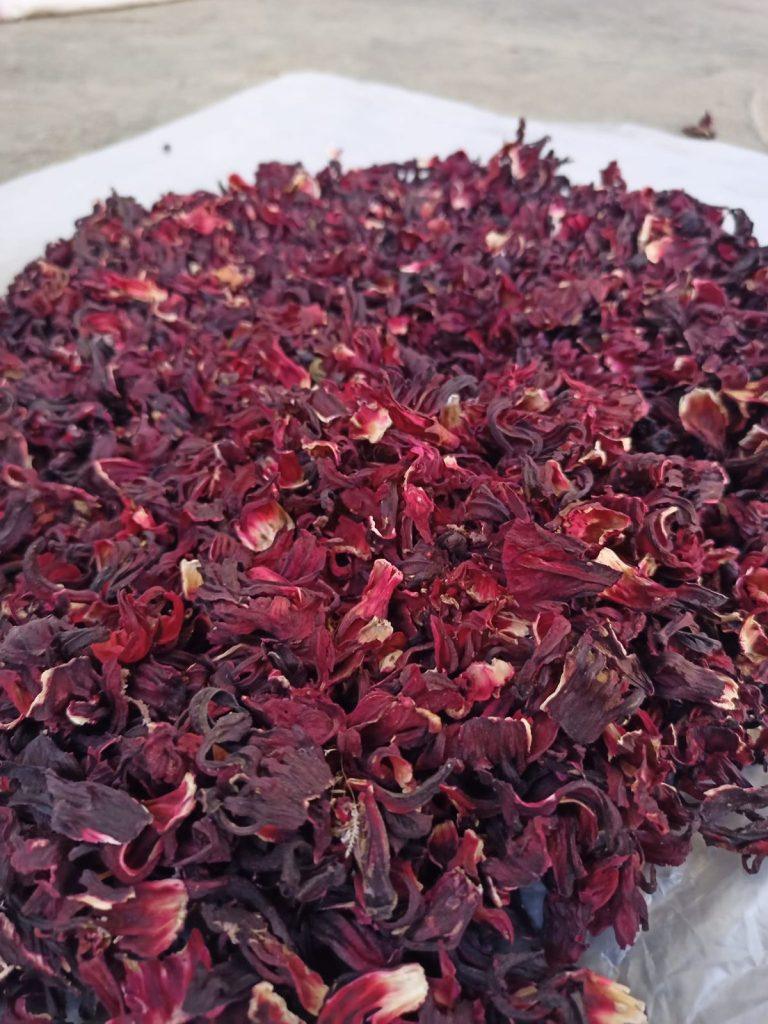
Zobo leaves, also known as hibiscus leaves or sorrel, are a rich source of various nutrients and antioxidants that have been linked to several health benefits. Below are some basic health benefits of zobo leaves:
- Lowering blood pressure: Zobo leaves have been shown to help lower blood pressure due to their high content of polyphenols and other compounds that help to relax blood vessels.
2. Improving heart health: Zobo leaves may also help to reduce the risk of heart disease by improving cholesterol levels and reducing inflammation.
3. Boosting immunity: Zobo leaves are rich in vitamin C, which can help to strengthen the immune system and protect against infections.
4. Improving digestion: Zobo leaves contain natural enzymes and fibers that can help to improve digestion and relieve constipation.
5. Reducing inflammation: Zobo leaves have anti-inflammatory properties that can help to reduce inflammation in the body, which is linked to many chronic diseases.
6. Preventing cancer: Zobo leaves contain antioxidants that can help to protect against cancer by neutralizing free radicals and preventing DNA damage.
7. Managing diabetes: Zobo leaves may help to manage diabetes by reducing blood sugar levels and improving insulin sensitivity.
8. Supporting liver health: Zobo leaves have been shown to have hepatoprotective properties, meaning they can help to protect the liver from damage and improve liver function.
9. Improving skin health: Zobo leaves contain vitamin C and other antioxidants that can help to promote healthy skin and reduce the signs of aging.
10. Promoting weight loss: Zobo leaves may help to promote weight loss by reducing appetite and increasing metabolism.
11. Enhancing brain function: Zobo leaves contain compounds that can improve brain function and memory.
12. Relieving menstrual cramps: Zobo leaves have been traditionally used to relieve menstrual cramps and other menstrual symptoms.
13. Boosting kidney health: Zobo leaves may help to improve kidney function and reduce the risk of kidney stones.
14. Preventing anemia: Zobo leaves are rich in iron, which is essential for the production of red blood cells and can help to prevent anemia.
15. Relieving anxiety and depression: Zobo leaves contain compounds that can help to reduce anxiety and depression symptoms.
16. Improving respiratory health: Zobo leaves have been shown to have respiratory benefits, including reducing cough and improving breathing.
17. Improving oral health: Zobo leaves have antibacterial properties that can help to improve oral health and prevent tooth decay.
18. Supporting bone health: Zobo leaves contain calcium and other minerals that can help to improve bone health and prevent osteoporosis.
19. Promoting eye health: Zobo leaves contain vitamin A, which is essential for eye health and can help to prevent age-related eye diseases.
20. Improving overall health: Zobo leaves contain a range of nutrients and antioxidants that can help to promote overall health and wellbeing.
Read Also: Benefits of Snail Farming as a Lucrative Business
Uses of Zobo Leaves

Zobo leaves, also known as hibiscus leaves or sorrel, have a variety of uses in culinary and traditional medicine. Here are some of the most common uses of zobo leaves, along with descriptions of each:
- Zobo drink: Zobo leaves are commonly used to make a refreshing beverage called zobo, which is popular in many parts of the world. The leaves are boiled in water and then sweetened with sugar or honey, as well as other ingredients such as ginger, cinnamon, and lemon.
2. Cooking ingredient: Zobo leaves can also be used as a cooking ingredient in stews, soups, sauces, and salads. They add a tangy flavor and a vibrant color to dishes.
3. Traditional medicine: Zobo leaves have been used for centuries in traditional medicine for their various health benefits. They are believed to have anti-inflammatory, antihypertensive, and diuretic properties, among others.
4. Herbal tea: Zobo leaves can be brewed into a herbal tea that is rich in antioxidants and may have various health benefits.
5. Skin care: Zobo leaves can be used as a natural skin care ingredient due to their high content of vitamin C and other antioxidants. They can help to promote healthy skin and reduce the signs of aging.
6. Hair care: Zobo leaves can also be used as a hair care ingredient, as they contain vitamins and minerals that can help to promote healthy hair growth and reduce hair loss.
7. Dyeing fabric: Zobo leaves can be used to dye fabric, as they produce a deep red color when boiled in water.
In addition, zobo leaves are a versatile ingredient that can be used in many different ways, and have a range of potential health and beauty benefits.
Read Also: Climate Change and Remediation Meteorology
Frequently asked questions about Health Benefits and Uses of Zobo Leaves
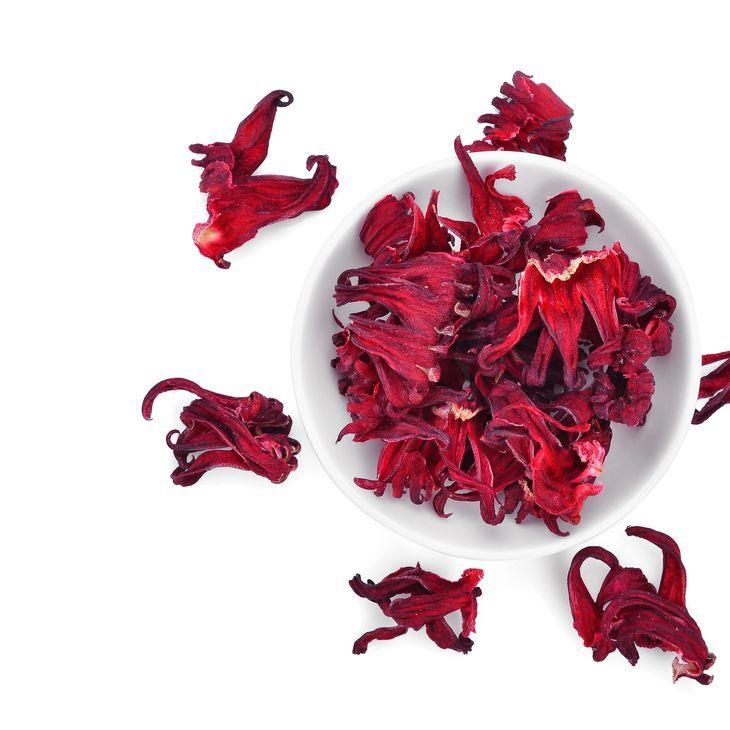
- What are Zobo leaves?
Zobo leaves come from the Hibiscus sabdariffa plant, also known as Roselle. They are commonly used in Nigeria and other parts of Africa to make a refreshing, deep red drink known as “Zobo.” - What are the nutritional contents of Zobo leaves?
Zobo leaves are rich in antioxidants, vitamin C, calcium, iron, fiber, and various organic acids like citric, tartaric, and malic acids. - What are the main health benefits of Zobo leaves?
They help lower blood pressure, support heart health, improve digestion, boost immunity, and aid weight management. - Can Zobo leaves help reduce high blood pressure?
Yes. Studies show that the natural compounds in Zobo have antihypertensive properties that can help lower systolic and diastolic blood pressure. - Is Zobo good for weight loss?
Yes. Zobo is low in calories and helps reduce appetite, prevent fat accumulation, and improve metabolism when consumed without added sugar. - Does Zobo boost the immune system?
Yes. The high vitamin C and antioxidant content in Zobo leaves helps fight infections and strengthen the body’s immune defenses. - Can Zobo help reduce cholesterol levels?
Zobo may help lower LDL (bad cholesterol) and triglycerides while improving HDL (good cholesterol), promoting better heart health. - Is Zobo beneficial for people with diabetes?
In moderation and without sweeteners, Zobo can help regulate blood sugar levels due to its natural hypoglycemic effects. - Does Zobo have detoxifying properties?
Yes. Zobo is a natural diuretic that helps cleanse the liver, kidneys, and bloodstream of toxins. - Can Zobo aid digestion?
Yes. Zobo has mild laxative and digestive properties, helping relieve bloating, constipation, and indigestion. - Is Zobo safe for pregnant women?
Zobo should be taken with caution during pregnancy, as some studies suggest it may stimulate menstruation or uterine contractions. Always consult a healthcare provider. - How is Zobo typically consumed?
Zobo is usually boiled with ingredients like ginger, cloves, and pineapple, then chilled and consumed as a refreshing drink. - Does Zobo have anti-inflammatory benefits?
Yes. Its antioxidants help reduce inflammation and oxidative stress in the body. - Can Zobo improve skin health?
Yes. Its vitamin C and antioxidant content help promote collagen production and protect skin from aging and damage. - Are there any side effects of consuming too much Zobo?
Excessive intake may cause low blood pressure, interact with certain medications, or lead to kidney strain. Moderation is key.





.png)
