
 1 year ago
343
1 year ago
343

.jpeg)
.png)
In global meat production, poultry meat ranks second after pork. Due to its widespread availability, popularity, and mostly competitive production costs, poultry meat has an increasing share as a raw material in processed meat products.
Turkey and chicken meat are particularly suitable for further processing purposes. Poultry meat is of higher nutritive value than other red meats due to its higher protein content and better digestibility.
Composition and Characteristics of Poultry Meat
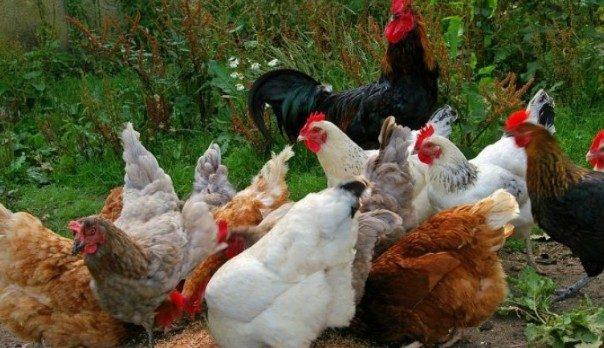
Poultry refers to meat from domesticated birds such as chickens, ducks, and turkeys. The muscle-to-bone ratio in poultry is approximately 1.8%, resulting in a lower carcass yield compared to other warm-blooded animals. The composition of poultry meat is detailed below.
Composition of Poultry Carcass
| Broilers | 52 | 6 | 30 | 12 |
| Hen | 37 | 12 | 40 | 11 |
| Duck | 34 | 18 | 38 | 10 |
Chicken meat is pinkish-white in the breast and wings, and pink to light red in other parts. Generally, poultry meat is classified as white meat, while meat from other animals is referred to as red meat.
Read Also : Heat Detection Methods and Signs in Farm Animals
Preservation Techniques for Poultry Meat

Chilling and Freezing Poultry Meat
Chilling: Chilling storage of poultry is suitable for periods of less than a month. For longer storage, freezing is recommended. Lower storage temperatures extend the shelf life of poultry without undesirable changes. Compared to room temperature, storage life is extended by 2 days at 10°C, 6 days at 4.4°C, and 14 days at 0°C. Rapid chilling is advisable for poultry meat, as the onset and completion of rigor mortis occur early.
Freezing: Poultry can be kept in good condition for months if freezing is prompt, rapid, and maintained at a sufficiently low temperature. Rapid freezing is desirable as it produces a light golden color due to the formation of fine ice crystals within the fibers, while slow freezing causes the flesh to appear darker. The storage temperature should be below -17.8°C with relative humidity (RH) above 95% to reduce surface drying. Most poultry is sharp-frozen at approximately -29°C or lower in circulating air or on a moving belt in a freezing tunnel.
Modified Atmosphere Storage and Ionizing Radiation
Modified Atmosphere Storage: Increasing carbon dioxide concentration to 10–20% in the storage atmosphere inhibits the growth of psychrotrophic microorganisms in chickens. The use of films with both high and low gas permeability, combined with a CO₂ atmosphere, demonstrates that the CO₂ atmosphere is the significant factor in reducing microbial counts.
Ionizing Radiation: This is a potentially useful preservation method. In addition to its ability to inactivate microorganisms, ionizing radiation can break down lipids and proteins, sometimes resulting in undesirable odors.
Self-Assessment Exercise 1
Cooking Methods for Poultry Meat
General Cooking Techniques for Poultry
Raw chicken meat has no flavor; flavor develops during cooking and sometimes through the addition of spices. For tough poultry meat, moist heat cooking methods are preferred, while dry heat methods are recommended for softer varieties. Major physico-chemical changes during cooking include:
- Heat causes coagulation of proteins.
- Melting of fat.
- Change in color of red meat to pink and finally brown or gray in the presence of moisture naturally present in the meat.
- Collagen is hydrolyzed to gelatin when the meat is heated.
- Heat affects the tenderness of meat; coagulation of proteins causes toughening in meat tissues, while hydrolysis of collagen to gelatin makes it tender.
- Changes in flavor due to heat are caused partly by volatiles, decomposition of proteins or fats, and/or caramelization of carbohydrates and coagulation of proteins.
- Shrinkage of meat occurs due to the loss of moisture and fat, which are released from the meat and collect at the bottom of the cooking pan.
Sometimes, marination is applied to chicken portions to improve flavor and texture. In marination, meat is soaked in an acidic seasoned liquid (known as a marinade) before cooking. Marinades contain vinegar, lemon juice, wine, enzymes, oils, herbs, and spices to enhance taste and tenderize the meat. Before cooking, chicken is sometimes coated with flavored batter to improve flavor. Breading of chicken is done prior to coating to provide a crisp outer layer, typically covered with beaten egg and flour.
Read Also: Sheep gene insights could help farmers breed healthier animals
Frying Poultry Meat

Only young, tender, and low-fat poultry meat should be cooked by frying. Generally, carcasses are cut into portions suitable for serving, seasoned with salt, pepper, and other spices as required, and rolled in flour or dipped in a batter containing eggs, milk, flour, and seasoning. Another medium sometimes used for dipping poultry meat pieces is an egg and milk batter. Coated meat pieces are then dipped into the cooking medium (oil or fat) heated to 358°F. Generally, the temperature of fats or oils ranges between 300–325°F during frying.
Broiling Poultry Meat
Broiling involves exposing food to direct radiant heat, either on a grill over live coals or below a gas burner or electric coil. Broiling differs from roasting and baking in that the food is turned during the process to cook one side at a time. Temperatures for broiling are higher than for roasting; the broil indicator of a household range is typically set around 550°F (288°C), whereas larger commercial appliances broil between 700 and 1,000°F (371 and 538°C).
Fish, fowl, and most red meats are suitable for broiling. Young, tender poultry, such as chickens, turkeys, and ducklings, can be cooked by broiling. Before cooking, the meat is brushed with fat, seasoned with salt, pepper, and sometimes a sauce instead of fat. The portion is placed in a shallow pan with the skin side down, and the pan is placed in a preheated broiler. After cooking for about 30 minutes, the pieces are turned and basted again. The low fat content of broiled chicken and basting with melted fat result in improved flavor, texture, and palatability. The chicken is considered cooked when the drumstick or wings twist out of their joints.
Roasting Poultry Meat
Young broiler pieces of any weight may be used for roasting, either stuffed or unstuffed. While roasting whole birds, tender parts such as the breast may be overcooked before the legs and thighs reach the desired state. To avoid food poisoning, the internal temperature of stuffed chicken must reach 74°C. If roasted without stuffing, it is cooked at 163°C until the interior reaches 85°C. The exact time-temperature combination for roasting depends on the size of the carcass.
Braising and Stewing Poultry Meat
Braising: This is a combination cooking method using both moist and dry heat, suitable for older and tougher birds. Disjointed pieces of chicken are generally cooked this way. Initially, frying is done to darken the color to brown, followed by the addition of water and simmering until the meat becomes tender.
Stewing: In stewing, the frying step is eliminated, and the whole bird or its pieces are cooked in water with seasonings and some vegetables until tenderized. A stew is a combination of solid food ingredients cooked in liquid and served in the resultant gravy. Ingredients in a stew can include vegetables (such as carrots, potatoes, beans, peppers, and tomatoes) and meat, especially tougher meats suitable for slow cooking, such as beef. While water can be used as the stewing liquid, wine, stock, and beer are also common. Seasonings and flavorings may also be added.
Turkey and chicken meat are highly suitable for further processing purposes. Poultry meat offers higher nutritive value than other red meats due to its higher protein content and better digestibility. Poultry meat can be preserved by chilling, freezing, modified atmosphere storage, and other methods. It can be cooked by frying, roasting, broiling, stewing, and other techniques.
Do you have any questions, suggestions, or contributions? If so, please feel free to use the comment box below to share your thoughts. We also encourage you to kindly share this information with others who might benefit from it. Since we can’t reach everyone at once, we truly appreciate your help in spreading the word. Thank you so much for your support and for sharing!



.png)
