

.jpeg)
.png)
Sheep are domesticated herbivorous mammals belonging to the species Ovis aries. They are one of the earliest animals to be domesticated by humans, with a history that dates back over 10,000 years. Today, sheep are raised worldwide for their wool, meat, and milk, making them an essential part of agriculture and rural economies.
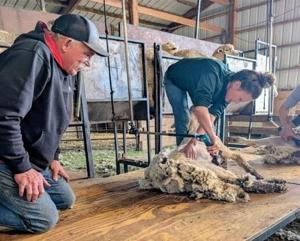
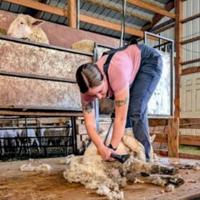
Sheep are well known for their thick fleece, which is made of wool. Wool is a valuable natural fiber used to produce clothing, blankets, and carpets. Different breeds of sheep produce different types and qualities of wool. For example, Merino sheep are famous for their fine, soft wool, which is highly prized in the textile industry.
In addition to wool, sheep are also raised for meat, commonly known as lamb or mutton, depending on the age of the animal. Sheep milk is another important product, especially in regions such as Europe and the Middle East, where it is used to make cheese, yogurt, and other dairy products.
Sheep are ruminants, meaning they have a four-chambered stomach that allows them to digest fibrous plant materials like grass. They graze on pastures and can thrive in a variety of environments, from mountains to dry grasslands. Their ability to feed on simple vegetation makes them relatively easy to maintain.
These animals are highly social and tend to live in flocks. They have a strong flocking instinct, which helps protect them from predators. Sheep communicate through bleating sounds and body language. They are generally calm animals, although they can become stressed if separated from their group.
There are many different breeds of sheep, each adapted to specific climates and purposes. Some breeds are better suited for wool production, while others are raised primarily for meat or milk. Farmers often choose breeds based on environmental conditions and market needs.
Sheep farming plays an important economic role in many countries. It provides income for farmers and contributes to food security. However, like other forms of livestock farming, it can have environmental impacts, such as overgrazing and land degradation if not managed properly.
Culturally, sheep have been significant in many societies and religions. They are often associated with pastoral life and are symbols of innocence and sacrifice in various traditions.
Overall, sheep are versatile and valuable animals that continue to support human life through their multiple uses and adaptability to different environments




.png)
