

.jpeg)
.png)
When was the last time you packed a bag and headed out of town? I mean a real trip away, just for you, not to deliver cattle to market, attend a farm conference, or watch your kids compete at state. It seems that most farmers rank a solo vacation at the absolute bottom of their to-do list, somewhere below "reorganize the tool shed" and "fix that gate that's been broken since spring."
Between daily chores, seasonal demands, and the constant responsibility of caring for livestock and crops, numerous duties take precedence before we even consider scheduling downtime for ourselves. A lack of time, money, and guilt of leaving the operation in someone else's hands often prevents farmers from pursuing new adventures.
Let's be honest about the unique barriers farmers face when it comes to taking time away:
- The animals can't wait - dairy cows need milking every 12 hours. Beef cattle need daily checks. Chickens need feeding. Unlike office workers who can put projects on hold, farmers manage living responsibilities that continue around the clock.
- Seasonal timing - There's never a "good" time to leave. Spring planting, summer cultivation, fall harvest, winter maintenance; each season brings its own urgent demands. By the time one season ends, you're already preparing for the next.
- Financial pressure - every dollar spent on vacation is a dollar not invested back into the operation. When you're constantly juggling equipment payments, input costs, and market volatility, leisure travel feels irresponsible.
- Trust issues - farmers are control-oriented by necessity. Weather, markets, and government regulations create enough uncertainty and adding the variable of someone else managing your operation feels like tempting disaster.
- Cultural guilt - farm communities often view constant work as a virtue. Taking time for yourself can feel selfish when your neighbors are grinding through 80-hour weeks.
The mental health cost of never getting away
After decades of treating clients with stress-related disorders, I can tell you that the "always on" nature of farming creates a perfect storm for mental health problems:
Chronic stress becomes normal: When you never fully disconnect from work responsibilities, your body stays in a constant state of low-level stress. This leads to physical health problems, sleep issues, and emotional exhaustion that farmers often mistake for "just part of the job."
Perspective tunnel vision: When your entire world revolves around your farm, small problems can feel catastrophic. That broken tractor becomes a personal failure. A bad crop year becomes evidence that you're not cut out for farming. Getting away helps you remember that setbacks are temporary and manageable.
Relationship strain: Spouses and children suffer when farmers never mentally leave work. Family conversations revolve around farm problems. Vacations get canceled for harvest. Eventually, family members stop expecting your full attention because they know the farm always comes first.
Lost identity: Farmers often become so identified with their work that they lose touch with other aspects of themselves. Who are you when you're not checking cattle or planning crop rotations? Getting away from the farm helps you remember.
The science behind getting away
Research consistently shows that taking time away from work, really away, not just a day off spent fixing equipment can provide measurable mental health benefits:
Better sleep patterns: Travel, especially to different time zones or environments, can help reset disrupted sleep cycles. If you've been lying awake at 3 a.m. worrying about commodity prices, a few nights of vacation sleep might be exactly what your body needs to remember how to rest.
Reduced burnout: Studies show that people who take regular vacations report lower levels of job burnout and higher job satisfaction. For farmers, this translates to renewed enthusiasm for the work that called you to agriculture in the first place.
Improved mood and creativity: Exposure to new environments, people, and experiences stimulates different parts of your brain. You might return home with fresh solutions to old problems or new ideas for your operation.
Enhanced relationships: Time away from work responsibilities allows you to reconnect with family members as people, not just fellow farm workers. Your spouse remembers why they fell in love with you. Your children see you as more than just the person who assigns chores.
Making farm friendly travel work
The key to successful travel is planning that respects both your need for rest and your farm's operational requirements:
Start small: You don't need a two-week European vacation. A long weekend away can provide significant mental health benefits. Even one night in a hotel an hour from home can break the cycle of constant farm awareness.
Plan around your calendar: Work with your seasonal rhythms instead of against them. Winter might offer more flexibility for dairy operations. Late fall could work for crop farmers after harvest. Know your farm's natural slow periods.
Create reliable support systems: Develop relationships with neighbors, family members, or hired help who can competently manage your operation for short periods. Start with day trips to build trust before attempting longer absences.
Combine business with pleasure: That agricultural conference in a warm climate? Extend it by a few days. Meeting with seed dealers in another state? Bring your spouse and explore the area. Training programs often take place in interesting locations so take advantage.
Leverage technology: Security cameras, automated feeding systems, and smartphone monitoring can help you keep an eye on critical operations while still allowing mental distance from daily management decisions.
Budget friendly options for farm families
Travel doesn't have to break the farm budget:
Friend and family networks: That college roommate who moved to Colorado has been inviting you to visit for years. Your cousin in Texas has a guest room and wants to show you their operation. These visits combine catching up with friends and experiencing new places.
Off-season destinations: Beach resorts offer deep discounts in winter. Mountain destinations are cheaper in summer. Traveling during off-peak times can cut costs dramatically while still providing the mental health benefits of getting away.
Educational travel: Extension programs, farm tours, and agricultural missions often provide structured travel opportunities at reduced costs. You'll gain new knowledge while experiencing different places and cultures.
Volunteer opportunities: Disaster relief, mission work, and community service projects can provide meaningful travel experiences while contributing to causes you care about. Many organizations cover travel expenses for volunteers. This option is personally one of my favorites.
Coming home renewed
The best part of getting away? Coming home with fresh eyes and renewed energy. Problems that seemed insurmountable before you left often have obvious solutions when you return. Equipment that's been frustrating you for months might get fixed in an afternoon when you approach it with a rested mind.
Your family notices the difference, too. Children see a parent who's more patient and present. Spouses rediscover the person they married beneath the farmer persona.
The permission you've been waiting for
If you're reading this and thinking "I should take a trip," consider this your official permission. Your farm will survive. Your animals will be fine. Your neighbors won't think less of you for taking care of your mental health.
The best farmers I know, the ones who've maintained successful operations for decades while preserving their marriages and relationships with their children, are the ones who understand that taking care of themselves isn't selfish; it's essential.
What are you waiting for? Pull out that calendar, call up a friend, talk to your spouse, and start dreaming of places you've always wanted to see. Your farm needs you at your best, and sometimes getting away is exactly what it takes to get there.
The time is now. Your mental health and your farm will thank you.
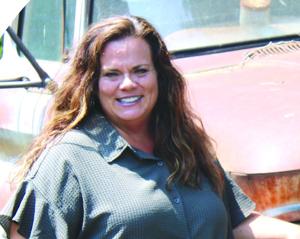
Colleen Stegenga, MSW, LCSW-PIP, QMHP, is a therapist and owner of Embracing Change Counseling Services, with offices in Sioux Falls and Mitchell. Reach her at colleen@embracingchangecs.com or visit www.embracingchangecs.com.
Be the first to know
Get local news delivered to your inbox!




.png)
