
 16 hours ago
7

.jpeg)
.png)
Rooibos may have long been associated with South African childhoods, winter evenings and a comforting cup before bed, but new research suggests that the country’s younger consumers are giving the homegrown beverage a place in their everyday lives – and finding plenty of room to make it their own.
A poll conducted by the South African Rooibos Council (SARC) among more than 400 South African Millennials and Generation Z consumers shows that Rooibos is far from being relegated to the “traditional” drinks category. Almost six in 10 respondents (59%) said they drink Rooibos every day, while a further 29% drink it several times a week. This means that almost nine in 10 (88%) consume Rooibos at least a few times a week.
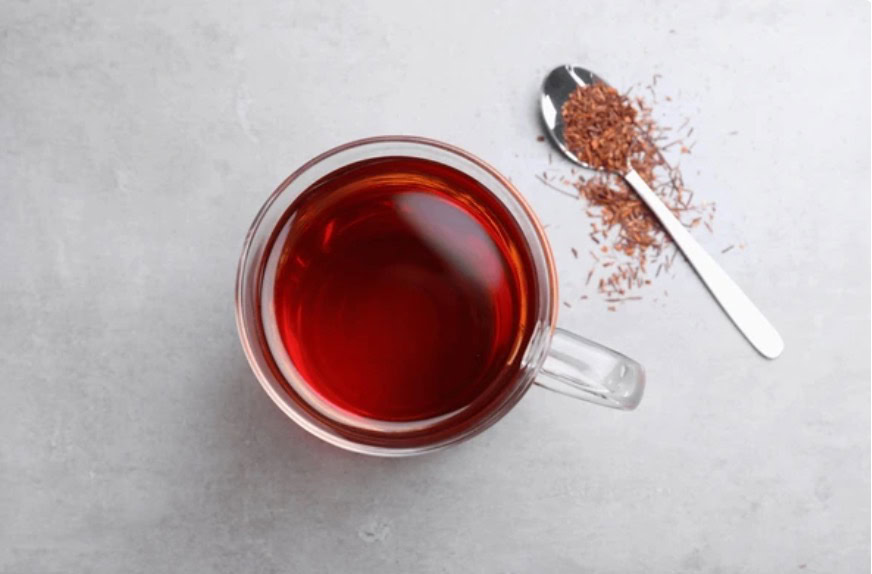
The findings show that familiar habits remain firmly in place, with 84% of respondents saying they drink Rooibos hot. At the same time, younger consumers are finding different ways to enjoy it, from iced versions to cappuccinos and Rooibos-inspired food and drinks.
Rather than seeing tradition and experimentation as opposing trends, the findings suggest that Rooibos’ familiarity may be one of its strengths. Younger consumers continue to enjoy it in familiar ways, while also exploring new possibilities that reflect their own tastes and lifestyles.
“Rooibos has always been deeply rooted in South African culture, but that doesn’t mean it has to stand still,” says Adele du Toit, spokesperson for the SA Rooibos Council (SARC). “What we’re seeing among younger consumers is a willingness to take something familiar and make it their own – whether that means drinking it iced, turning it into a cappuccino or experimenting with it in food and cocktails.”
Interestingly, when respondents were asked what word comes to mind first when they think of Rooibos, “comforting” came out on top at 31%, followed by “healthy” and “refreshing”, both at 24%.
“The results point to an interesting combination of qualities. Its comforting and familiar associations connect with nostalgia and well-being, while its refreshing and versatile characteristics leave room for experimentation – values that resonate strongly with younger consumers looking for products that fit into different aspects of their lifestyles,” notes du Toit.
There is also evidence that Rooibos is competing successfully for a place in younger consumers’ beverage routines. Almost two-thirds (64%) said they would choose Rooibos over coffee or other teas, with another 18% saying they would do so sometimes and 11% often.
How are younger South Africans making Rooibos their own? A few share their favourite ways to enjoy this distinctly South African infusion.

Cape-based twins Anelisa and Asanele Sobekwa (28) are full-time digital content creators who grew up drinking Rooibos. Asanele enjoys hers with “lots of lemon and a bit of honey” and has experimented with using Rooibos in savoury dishes and cocktails.
Anelisa describes Rooibos as “calm, grounded and effortlessly cool”, enjoying hers warm in the morning. She also likes exploring its versatility by incorporating it into iced drinks and creative flavour combinations.

For Nelisa Ngcume, 33, a business analyst from Cape Town, Rooibos is an evening ritual, usually enjoyed with lemon and honey or simply plain to appreciate its natural taste.
She says she would like to experiment with Rooibos-based cocktails or mocktails.

Sesethu Yabo, 34, a part-time digital content creator and social media manager, describes Rooibos as her “go-to beverage, anytime of the day”.
She enjoys her Rooibos plain with a teaspoon of sugar, but also likes experimenting with iced, fruit-infused versions.

Durbanite Noah Von Brughan, 21, a business student, grew up drinking Rooibos and describes it as his ultimate comfort drink. “I’d always have a cup of Rooibos and a rusk after school, especially in cold weather. These days, I’ll honestly drink it whether I’m hungry or thirsty – before or after a run, it’s just my go-to. I like mine with a tablespoon of honey and a drop of milk.
If Rooibos had a personality, it would be chilled and welcoming – the kind of friend who always makes you feel like there’s a place for you.”

Lauren Palmer, 26, occupational therapist from Port Elizabeth, grew up drinking Rooibos and still loves it, recalling how she would take a litre of Rooibos to school every day in high school. “I’ve always loved Rooibos,” she says. “I enjoy it in all forms, as long as it’s sweet – hot with or without milk, at room temperature, as an iced tea or as a red cappuccino. The Ophelia drink from Platō is an absolute winner.” She’d also be keen to experiment with Rooibos skincare or add it to her bath. If Rooibos had a personality, she says it would be “cool, calm and collected”.

In Johannesburg, Raydon Vetten, 29, who works in IT and telecommunications, enjoys making his own version with frothy, sweetened milk – effectively turning Rooibos into a homemade cappuccino.
His wife, photographer Amy-Joy Vetten, 28, meanwhile, prefers hers sweet with milk, describing Rooibos simply as “warm and comforting”.

Free State-resident Anke van der Merwe, 22, an occupational therapist, grew up drinking Rooibos or “teetjie” as it was affectionately called in her family. “Once I’d outgrown breast milk, I moved on to Rooibos and I’ve never looked back! I still love a teetjie, especially before bed. That familiar taste gives me the warmest, fuzziest feeling.” Her classic cup is made with “two sugars, no milk and an ice cube” to get it to the perfect drinking temperature, although she also enjoys more indulgent Rooibos treats, like “white hot chocolate with a shot of Rooibos, which can be enjoyed warm or as a cold Freezo.” If Rooibos had a personality, she says it would be “a high school art teacher – creative, warm, a little unconventional and full of character.”
“What stands out is that Rooibos is much more than a drink people grew up with. It’s part of their lives now, enjoyed in different ways and for different reasons. That everyday connection is what will keep Rooibos relevant as tastes and lifestyles continue to evolve.” says Du Toit.
With strong consumption habits and a willingness to explore new ways of enjoying it, younger South Africans are helping to shape Rooibos’ place in the beverage landscape for years to come.







.png)
