
 7 months ago
314

.jpeg)
.png)
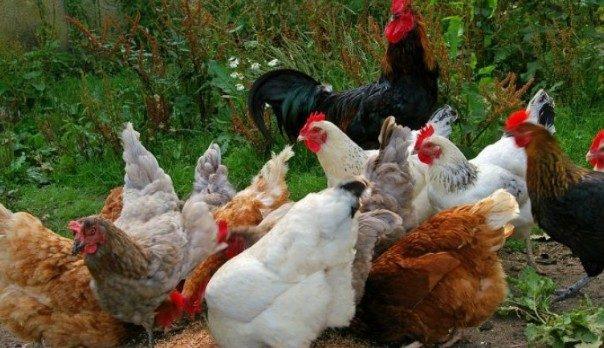
Before you can think about boosting egg production, you need to understand what drives it in the first place. Many poultry farmers jump straight into buying more birds or changing feed without really knowing what is affecting their flock’s output. That approach rarely works.
You need to know your flock’s production capacity, understand what factors are limiting egg output, and be able to tell which hens are actively laying and which are not. Once you have that knowledge in place, you are in a much better position to run a productive and profitable layer operation.
This guide breaks down everything you need to know, from egg production expectations to the reasons hens stop laying, so you can make smarter decisions on your farm.
1. Egg Production Expectation

A laying hen produces one egg per day at most, and on some days she will not lay at all. This is completely normal. After a hen lays an egg, her body begins forming the next one immediately, and that process takes about 26 hours. So mathematically, she lays about two hours later each day, and if the timing pushes too late in the day, she skips the next day entirely.
Hens in a flock do not all start laying on the same day, and they do not all lay for the same length of time. Egg production also declines each year, while egg size tends to increase. How many eggs a hen produces annually and for how many years depends on these key factors:
i. Management of pullets prior to lay
ii. Breed
iii. Light management
iv. Space allowances
v. Nutrition
Read Also: Harmattan and Its Effect on Poultry Production
2. Factors That Affect Egg Production

Many things can directly or indirectly reduce egg output. Understanding these factors helps you catch problems early and fix them before they hit your bottom line.
i. Aging hens: A hen can lay eggs for several years, but after two to three years her production rate drops significantly. Good layer hens lay continuously for about 50 to 60 weeks before taking a break, which is called molting. Older and poorer-quality hens molt more often and lay less consistently.
ii. Improper nutrition: Hens need a balanced diet with the right levels of protein and calcium to maintain steady egg production. An imbalance in protein, energy, or calcium will cause production to drop. Poor nutrition can also cause oviductal prolapse, especially when birds are too fat or eggs are too large, and this can permanently damage the hen.
iii. Rejecting important food ingredients: Removing key nutrients from the diet is one of the fastest ways to reduce egg output. Here are the most critical ones:
a. Salt: Sodium chloride plays a vital role in maintaining body fluid balance, osmotic pressure, and blood pH. Chlorine supports digestion through stomach acid and also helps maintain fluid balance. Removing salt from feed will reduce egg production noticeably.
b. Calcium: Eggshells are made almost entirely of calcium carbonate. Young hens need relatively little calcium while growing, but once they start laying, their calcium requirement increases about four times. Limestone mixed into feed is a practical and affordable calcium source.
c. Vitamin D: Without enough Vitamin D, hens cannot absorb calcium properly, and egg production falls. Always supply Vitamin D in the D3 form, as D3 is far more active in birds than D2.
d. Protein: Protein is essentially amino acids, and hens need about 22 types to function properly. Since they cannot produce all of them on their own, you must supply the balance through feed. The exact requirement depends on the hen’s age, type, and strain.
iv. Management mistakes: Even good nutrition goes to waste if basic management is off. Common mistakes include running out of feed, failing to maintain a clean and consistent water supply, and not providing enough light. Hens need at least 14 hours of daylight for maximum production, and water deprivation affects them faster than feed deprivation.
Read Also: How to Control and Prevent Disease Outbreak on Poultry Farms
3. How to Manage Egg-Producing Hens

Two main housing systems are used for layer hens: floor production and caged layer production. Both can keep hens producing year-round when managed properly.
Keep your farm away from other poultry operations. Ensure good drainage, adequate lighting fixtures, and a clean, reliable water supply at all times. The poultry house should allow plenty of sunlight and airflow. Use removable doors or curtains to adjust ventilation with the seasons, keeping it open in summer and closed in winter.
In the caged system, hens are placed in battery cages with four to five birds per cage. Each cage should come with nipple drinkers, medication tanks, adjustable foot plates, water pipes, and feeder grooves. The floor system is used for both egg-type and broiler-type birds, particularly for fertile egg production. The downside is that eggs get dirty quickly before they can be collected.
Read Also: Brooder Guards and Its Uses in Poultry Farming
4. How to Plan Your Poultry for Maximum Egg Production

Getting maximum output from your layers requires consistency and attention to detail. Here is what to focus on:
i. Provide basic needs: Feed your laying flock a diet containing 16 to 18 percent protein and 3 percent calcium daily. Avoid relying on household food scraps or scratch grains as they do not support strong egg production. Also maintain a constant supply of fresh, clean water. Half of an egg’s volume is water, so water shortage directly reduces output.
ii. Keep coops clean: A clean environment matters more than the housing system you choose. Avoid overcrowding, restrict farm visitors, and shower before entering the farm yourself. Keep footwear and clothing that may carry pathogens away from the birds.
iii. Provide nest boxes: Place nest boxes at least two feet off the ground and line them with soft, non-toxic wood shavings. This encourages hens to lay in a clean, controlled spot rather than in corners. Collect eggs before 10 am, when most hens finish laying, to prevent egg eating, which is a habit that spreads quickly through a flock.
iv. Set up artificial lighting: Install artificial lights to ensure hens get 14 hours of light daily, especially during winter when natural daylight is short. Consistent light intensity and duration directly increases egg output.
v. Clean eggs properly: Collect eggs frequently and keep coops dry. If eggs are already clean, do not wash them as this removes the protective coating. For lightly soiled eggs, dry-clean with fine grit sandpaper or use wet washing carefully to avoid pushing bacteria into the shell. Never store eggs near strong-smelling foods.
5. How to Identify Laying Hens

Knowing which hens are actively laying helps you make better culling and management decisions.
In many breeds, laying hens have large, bright red combs and wattles. In others, the combs are normal but fade after the laying period ends. Breeds like Plymouth Rocks and Rhode Island Reds carry yellow pigment in their skin, which fades in a specific order as laying progresses: first from the vent, then the face, and finally the feet.
You can also check by measuring the abdominal capacity, specifically the distance between the pubic bones or between the pubic bones and the tip of the keel. A wider gap usually indicates an active laying hen.
6. Reasons Hens Stop Laying Eggs

If your hens suddenly stop producing, ask yourself these questions to find the cause:
1. Have your hens been laying for more than 10 months? If yes, they are likely at the end of their laying cycle and entering a molt. They will resume laying after the break. If no, something else is causing the problem and needs investigation.
2. Are you supplying enough clean water? If hens cannot drink freely, they stop eating and eventually stop laying. In winter, use heated waterers to prevent freezing. In summer, keep water cool and accessible.
3. Are the hens eating the right feed? Wrong or insufficient feed leads to repeated molting and reduced output. Check feed composition and supply levels regularly.
4. Are you providing enough light? Less than 14 hours of light per day will reduce production. Install artificial lighting if natural daylight is insufficient.
5. Are your hens infected by parasites? Both internal and external parasites affect production. Check regularly and treat promptly.
Summary on How to Increase Egg Production in Commercial Layers

| Egg Production Expectation | One egg per day per hen, takes 26 hours to form, varies by breed and management |
| Key Influencing Factors | Age, nutrition, light, water, breed, space, and management |
| Aging Hens | Production drops after 2 to 3 years, good layers produce for 50 to 60 weeks before molting |
| Nutrition Requirements | 16 to 18% protein, 3% calcium, Vitamin D3, amino acids, and salt |
| Housing Systems | Floor production and caged layer production |
| Light Requirement | Minimum 14 hours daily, use artificial lighting in winter |
| Nest Boxes | Place 2 feet off the ground, collect eggs before 10 am |
| Water Supply | Must be constant, fresh, and clean year-round |
| Identifying Laying Hens | Check comb color, skin pigment fading, and abdominal capacity |
| Why Hens Stop Laying | End of cycle, poor water, wrong feed, low light, or parasite infection |
Frequently Asked Questions About How to Increase Egg Production in Commercial Layers
1. How many eggs can a commercial layer hen produce in a year?
A healthy commercial layer hen can produce around 250 to 300 eggs per year under good management, proper nutrition, and consistent lighting.
2. What is the best feed for maximum egg production?
Layer hens need feed with 16 to 18 percent protein and about 3 percent calcium daily. Avoid relying on scraps or scratch grains as the primary diet.
3. How many hours of light do laying hens need?
Hens need at least 14 hours of light per day to maintain peak egg production. Artificial lighting can be used during winter months to make up the difference.
4. Why are my hens laying fewer eggs in winter?
Reduced daylight hours in winter signal the hen’s body to slow down reproduction. Installing artificial lighting to maintain 14 hours of light daily will help restore production.
5. At what age do hens start laying eggs?
Most commercial layer breeds begin laying between 18 and 22 weeks of age, depending on the breed and management conditions.
6. How do I know if a hen has stopped laying permanently?
Check for faded combs and wattles, reduced abdominal capacity, and yellowed or dried-out skin. Hens that show no signs of active laying after a molt may have reached the end of their productive life.
7. Can water shortage really reduce egg production?
Yes. Water makes up about 70 percent of a hen’s body weight and about half of an egg’s volume. Even a few hours without water can cause a noticeable drop in egg output.
8. What is molting and how does it affect egg production?
Molting is a natural rest period where hens shed their feathers and temporarily stop laying. Good-quality layers molt once after 50 to 60 weeks of production, while older or poorer-quality hens molt more frequently.
9. How do parasites affect egg production in layers?
Both internal parasites like worms and external parasites like mites and lice drain the hen’s energy and nutrients, directly reducing egg output. Regular deworming and pest control are essential.
10. Is it worth keeping hens after their second year of production?
Production drops significantly after year two. Most commercial farmers replace or cull hens at this point, though some small-scale farmers keep them longer depending on cost and management goals.
Do you have any questions, suggestions, or contributions? If so, please feel free to use the comment box below to share your thoughts. We also encourage you to kindly share this information with others who might benefit from it. Since we can’t reach everyone at once, we truly appreciate your help in spreading the word. Thank you very much for your support and for sharing!
Read Also: Feed and Nutrition Management for Cattle




.png)
